Live streaming didn’t just add another way to consume content; it redefined what “watching” means. Viewers suddenly had far more choice, could engage directly with creators, chat with other viewers, and in some cases even influence the direction of the content itself.
That shift has reached well beyond gaming or social video platforms. Music, virtual events, interviews, and countless other formats now borrow from the language of live broadcasting. Digital entertainment has become both more immediate and more participatory.
1. The Rise of Live Streaming Culture
There was a comfortable and familiar distance built into traditional broadcasting. Audiences watched; performers performed. Even when television felt intimate, the conversation only travelled in one direction.
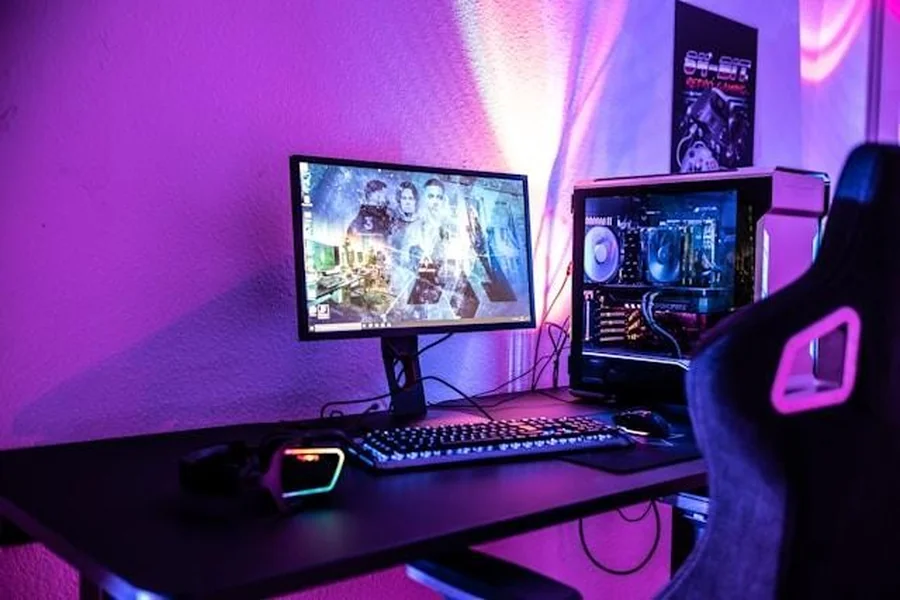
Live streaming unsettled that arrangement. As platforms made broadcasting easier, creators no longer needed the machinery of a conventional television studio to reach an audience. A computer or phone, a camera, and a reliable connection could be enough.
What followed was a different entertainment culture. Gaming sessions sat alongside concerts, interviews, tutorials, competitions, and ordinary conversations. Some streams were carefully produced. Others were compelling precisely because they weren’t.
More importantly, audiences became part of the atmosphere. Community, accessibility, instant interaction, and new formats grew around that simple idea. The boundary between watching something and taking part in it became ever more blurred.
2. Live Streaming’s Impact on Casino Play
Casino-style entertainment offers one particularly clear example of what live video changed. Earlier online formats tended to place players in front of automated interfaces, with much of the experience generated digitally. Streaming brought a human presence back onto the screen.
With live dealer casino games, video feeds connect players to human-hosted tables through compatible devices. Events unfold as they happen, replacing a wholly computer-generated presentation with something closer to a live broadcast.
There’s also a social quality to that format. Hosts can speak during a session while players follow the same unfolding action alongside other participants. Often, players can use in-game chat to further enhance the experience.
The broader point is about presence. A digital interface can be functional without feeling particularly immediate. Put a person on the other side of the live action, and the character of the experience changes. Streaming made that distinction increasingly visible.
The appeal of this format also comes from its sense of immediacy. Players see human reactions, natural pauses, and unscripted moments as they occur, giving the experience a distinctly different character from automated play.
3. Building Communities Through Shared Viewing
Watching something online used to be a surprisingly solitary experience. Millions of people might see the same video, yet each encounter happened separately. There was little sense of viewers occupying the same moment.
Live chat changed that almost immediately. Comments arrive while events are still unfolding. Reactions ripple through a chat window. Polls, emotes, questions, and spontaneous conversations begin to form around whatever is happening on screen. Sometimes the audience becomes almost as interesting as the stream itself.
Over time, familiar names start appearing. People return for a particular host, subject, or style of content and encounter others doing the same thing. Communities grow from repetition as much as shared interest.
That sense of belonging isn’t guaranteed, nor does every stream create it. Still, shared viewing gave digital entertainment something earlier formats often lacked: a room full of other people.
4. Real-Time Interaction Reshapes Entertainment
Recorded entertainment is fixed by definition. Pause it, replay it, return three days later and the content remains as it was when first viewed.
A live stream changes that. Questions appear and receive answers seconds later. A host might change direction because of something happening in the chat. Viewers can respond to polls or suggest what they want to see next. Small interactions, perhaps, but they alter the relationship between an audience and what appears on screen.
That immediacy is difficult to reproduce with on-demand media. There’s an awareness that the moment is happening now, with other people present, and that participation may actually register.
Audiences have grown accustomed to that possibility. Not everywhere, and not all the time. Yet streaming helped establish an expectation that digital media doesn’t necessarily have to speak at its audience. Sometimes it can listen.
5. Accessibility Expands Entertainment for Everyone
Traditional broadcasting came with practical boundaries. Programmes had schedules. Distribution depended on particular networks and regions. Miss something at the appointed time and, for many years, that was simply that.
Streaming loosened those constraints. A viewer might join from a smartphone on the move, switch to a laptop later, or watch through a connected television at home. Geography matters less when the same live event can reach people in different countries through an internet connection.
Mobile devices have been especially important here. Entertainment no longer belongs exclusively to the living-room screen or desktop computer. It travels.
That doesn’t mean access is universal; connectivity and suitable devices still matter. But compared with older broadcast models, the practical reach of live entertainment has widened dramatically. People separated by thousands of kilometres are today part of the same digital audience at the same moment.
When the Audience Became Part of the Show
The lasting story of live streaming isn’t really about video technology. It’s about distance, or, more accurately, the decreasing importance of that distance.
Audiences can talk, react, gather, and share an event while it’s still happening no matter where they are. Entertainment crosses devices and borders and enhances interactivity with an ease traditional broadcasting can’t match.
That has made online culture feel less like a library of things waiting to be consumed and more like a collection of places people enter. Sometimes briefly, sometimes every day, and increasingly as a community.